
Proper Breathing That Restores a Sense of Control
Slow‚ mindful breathing calms the nervous system‚ improves focus and sleep‚ and helps restore a sense of control in stressful moments.
How Breathing Affects the Nervous System
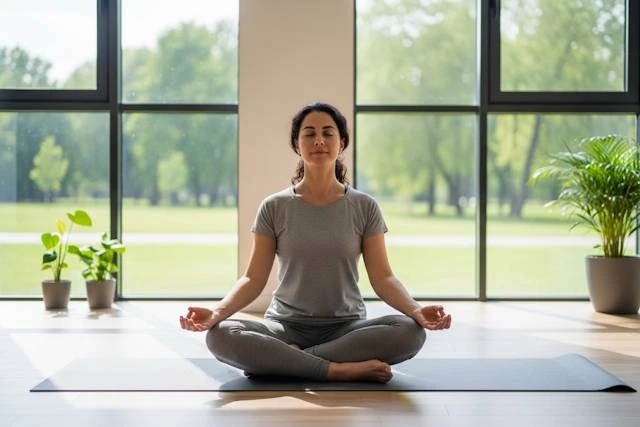
When breathing slows down and deepens‚ it signals to the brain that the situation is safe. The parasympathetic nervous system kicks in‚ cortisol levels drop and the heart rate steadies. It is a small but meaningful change that happens within seconds. Unlike thoughts‚ which are hard to stop‚ breathing is something you can control. So in moments of stress‚ instead of trying "not to think"‚ it is worth simply breathing slowly. Every long inhale and exhale serves as a bridge between an inner storm and physical calm.
Diaphragmatic Breathing and Its Benefits
Diaphragmatic breathing - breathing that engages the lower belly muscles and not just the chest - allows more efficient oxygen exchange and prevents a feeling of fatigue. When air enters deeply through the nose‚ fills the lungs and expands downward‚ the body regains its natural rhythm. The long exhale that follows helps release carbon dioxide and relaxes the muscles. Practicing diaphragmatic breathing for a few minutes every day creates a sense of calm that stays with you all day.
Proper Breathing for Better Focus and Performance
Breathing is not only about taking in oxygen - it is also a mechanism that helps focus attention. Studies show that when breathing is deep and slow‚ blood flow to the brain improves‚ which sharpens cognitive ability. People who practice mindful breathing during the workday find that fatigue gives way to gentle alertness‚ that their thoughts become clearer and that time passes in a more balanced way. When your mind is flooded‚ a few deep breaths can be the difference between an impulsive reaction and a considered action.
Why Mindful Breathing Matters When You Are Busy
In the daily rush‚ when you are stuck in traffic or running between tasks‚ your breathing tends to tighten. One moment of awareness changes the whole picture. A brief pause‚ three slow inhales and an exhale twice as long - that is all it takes to slow the heart rate and release the shoulders. Even if your workplace is noisy‚ breathing is an area where you have full control. You can do it during a conversation‚ while waiting in line or even while walking briskly.
The Connection Between Breathing and Movement
When movement is coordinated with breathing‚ a natural rhythm forms that calms the body and prevents burnout. Inhaling as the chest opens‚ exhaling as it closes or a long exhale while bending forward - these are simple patterns that help keep energy flowing smoothly. In practices like yoga or tai chi this is the foundation‚ but you can bring it into everyday life too: while walking‚ cleaning or doing short stretches. Every movement made with attention to the breath gains new depth and feels more coordinated and relaxed.
How Breathing Affects Sleep Quality
Before bed‚ deep breathing is the simplest way to release the tension of the day. A long‚ mindful exhale reduces brain activity and puts the body into a state of rest. When you focus on the feeling of air coming in and going out‚ your attention moves away from thoughts about tomorrow. The relaxation that follows is not only mental but also physical - the muscles let go‚ the heart rate drops and sleep becomes deeper and more continuous.
Practicing Breathing in the Urban Space of Lod
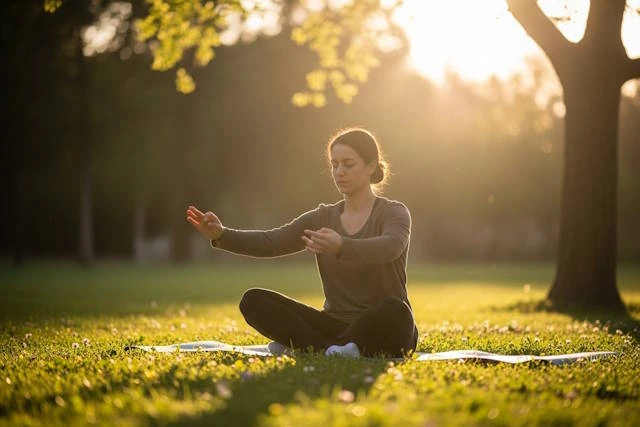
In Lod‚ a city with a fast-paced routine but full of green corners‚ mindful breathing can become part of everyday life. A short rest in the park‚ a stop by a tree on the way home or a slow exhale at a traffic light - these are all natural moments for daily practice. The city offers a dynamic environment‚ but within it there is room for moments of full breathing. It requires no equipment or special time‚ just a conscious decision to create breathing space within the urban pace.
The Cumulative Effect of Proper Breathing
Regular practice of mindful breathing gradually changes the way the body responds to stress. The nervous system learns to move faster from alertness to balance‚ and the mind responds calmly even to strong stimuli. This effect is not just momentary; it builds up and shapes a calmer way of life. After a while‚ proper breathing becomes automatic - the body chooses it without thinking‚ just like a healthy new habit.
Breathing and Interpersonal Communication
Mindful breathing also affects relationships between people. In a charged conversation‚ slow and mindful breathing lets you truly hear what is being said instead of just reacting. The breathing rhythm of two people can synchronize naturally‚ creating a sense of closeness. It is a subtle process that strengthens empathy and reduces conflict. Whether at work‚ in a relationship or in an everyday encounter‚ proper breathing can be a small difference that creates great listening.
Breathing as a Tool for Healing and Strength
The calming effect of breathing is not limited to the mind. It improves blood flow‚ strengthens the immune system and speeds up recovery. Many hospitals and medical centers now include breathing exercises as part of treatment. Efficient oxygen supply allows cells to renew faster‚ and the immune system responds accordingly. People living with chronic pain or anxiety also find that turning their attention to the breath gives them a sense of control and helps the body cope better with challenges.
Adapting Breathing Practice to Age and Life Stage
Proper breathing suits every age and every stage of life. In children it supports emotional regulation and better focus at school‚ in adults it helps cope with work stress‚ and in older adults it improves endurance and prevents dizziness. Pregnant women‚ athletes and people in rehabilitation can also use breathing practice to ease the load on the body and sharpen their connection with it. The advantage is its simplicity - you can start breathing properly at any point in life.
Combining Breathing with Nutrition and Movement
Breathing is not separate from the other areas of health. It is linked to nutrition‚ hydration and sleep. When you breathe properly‚ metabolism improves and digestion becomes more efficient. The body gets more oxygen and therefore makes better use of the energy from food. During exercise‚ too‚ proper breathing prevents strain on the heart and increases endurance. Combining balanced breathing with an active lifestyle is the key to overall balance - not only in the body‚ but also in your thinking and daily conduct.
Summary
Proper breathing restores a sense of control in the deepest sense - not external control‚ but inner presence. It lets you slow down without guilt‚ concentrate without effort and stay present without being swept into overload. The more you practice it‚ the more you discover that it is not only a tool for calming down but a foundation for a balanced quality of life. Within the urban pace of Lod‚ proper breathing is a simple invitation to return to the present moment‚ find quiet between the inhale and the exhale‚ and remember that real control sometimes begins with a gentle release of air.