
Slow Movement That Turns a Tired Day Into a Focused One
How short breaks of slow movement and long exhales ease fatigue‚ restore focus and help you get through a busy day with more clarity.
A Slow Rhythm That Lets the Brain Shift Gears
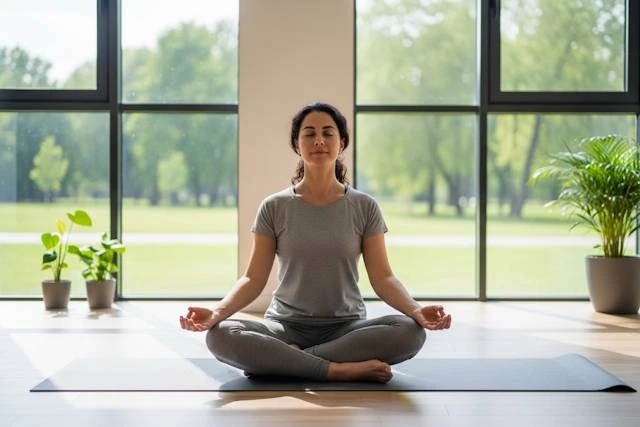
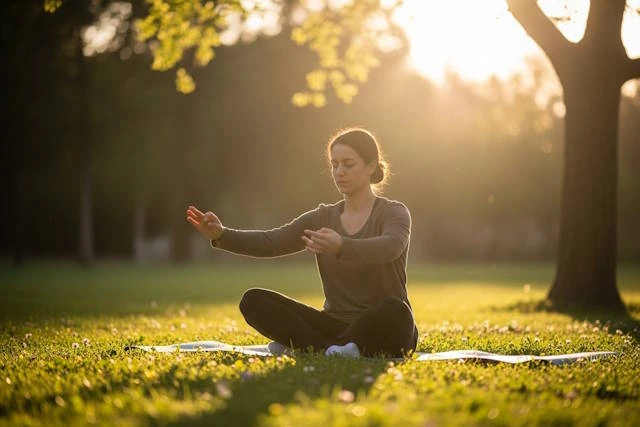
Switching to a slow rhythm for just a few minutes creates a recovery window in which the prefrontal cortex takes priority over automatic reactivity. You reduce sensory load‚ steady your heart rate and allow your attention to settle on one point instead of jumping between stimuli. Slowing down is not laziness but a framework that protects precious concentration resources. When the body slows down‚ the brain reads it as a safe environment‚ and the planning and learning mechanisms work with greater clarity. So the gain is twofold: less fatigue‚ more focus.
A Gentle Link Between Breath and Movement to Release Built-Up Tension
Coordinating slow movement with a long exhale sends a consistent message of calm to the nervous system. When the pace of action eases‚ the diaphragm works more fully‚ blood flow to the cerebral cortex improves and muscle awareness sharpens. Paying attention to the contact of your feet with the floor‚ the expansion of your chest and the release of your shoulders reduces the strain that builds up over hours in front of a computer or walking around the city. The ability to notice small details - the angle of the neck‚ the length of a stride‚ the width of the stance - increases the sense of control on a busy day.
Precise Movement as a Strategy to Protect Energy
Precise slow movement replaces hundreds of unconscious actions that drain energy. When movement is focused and measured‚ the stabilizing muscles work as much as needed and no more. You avoid patterns that strain the lower back‚ improve your balance and reduce the load on the hip and knee joints. Precision is not stiffness but a choice of moderate duration and comfortable ranges of motion. That way your concentration fuel is saved for important tasks instead of being wasted on correcting posture mistakes.
Choosing Short Breaks That Restore Sharpness
Short breaks of slow movement throughout the day create a loop of mental refreshment. Breaks of two to three minutes every hour separate blocks of work and prevent hidden fatigue from building up. Instead of being dragged into a steady decline in performance‚ a wave-like pattern forms in which each break restores sharpness. The effect adds up: by the end of the day the brain feels less overloaded and the ability to sum up‚ organize and wrap things up is better.
Bringing Slow Movement Into the Spaces of Lod
The urban environment in Lod invites short moments of slowing down without disrupting your schedule. On the promenade‚ in the small gardens between streets‚ on a shaded bench near a shopping center - in each of these spaces you can add a stretch of slow walking‚ a gentle shoulder stretch or a neck release. For those who get around by public transport‚ central stops offer natural pause points for a break of long breaths and simple joint movements. This creates a local routine that is connected to the city and requires no equipment or dedicated room.
Mindful Repetition That Shapes Stable Habits
The great advantage of slow movement lies in a simplicity that can be repeated. When the same short sequence is repeated at similar times‚ the brain recognizes a pattern and shortens the time it takes to get into focus. Repetition is not boredom but a platform for quality improvement - each time you refine another small detail‚ such as the direction of the knees‚ the length of the exhale or the placement of the hands. The result is a network of anchors throughout the day that prevents sharp drops in energy.
Adapting Slow Movement to Office Work and Field Services
In office jobs‚ slow movement of the spine and neck replaces the habit of leaning toward the screen and tensing the shoulders. In field services‚ such as running errands or maintenance work‚ slowing down appears at the start of an action: a moment to straighten the back‚ adjust the distance from the floor and spread the weight evenly across both legs. In both cases‚ slowing down prevents unnecessary strain and extends concentration for the next task.
Strengthening Attention Through the Basic Senses
Slow movement is not just muscles and joints. Adding sight and hearing sharpens presence. A wide gaze that takes in the room or the street reduces visual narrowing and calms the arousal system. Listen to the background noise as if it were an even layer of sound and let your body move in tune with it. Combining the senses increases the richness of the signals the brain receives and stabilizes attention.
Replacing the Fatigue Response with Effective Movement Habits
Instead of a constant search for sugar or caffeine‚ a movement-based alternative emerges. When afternoon tiredness creeps in‚ slow movement opens a fast route to a gentle flow of blood and pulls the mind out of its stupor. This helps you avoid sharp waves of rising and falling energy. The body learns to recognize the early signs and to use slow movement as its first automatic response.
Using Slow Movement Before Driving and Between Tasks
Before starting the car‚ a minute of long exhales and slow shoulder movements prevents the stiffness that reaches the jaw and upper back. When moving from long sitting to a meeting‚ two minutes of slow walking with wide steps create a reset that prevents you from arriving in a fog. The gain is in safety‚ alertness and the ability to start organized thinking quickly.
Watching the Results Without Chasing Numbers
Gentle tracking is important‚ but it stays in the background. Attention goes to subjective changes: how long you stay focused on one task‚ a feeling of lightness in the back‚ clarity of thought after a short break. When the comparison is made within the day and not against a rigid target‚ a healthy attitude to discipline develops. Slow movement remains a supportive tool and not another source of pressure.
Adapting Slow Movement to Different Ages and Life Stages
At younger ages‚ slow movement serves as a tool for motor organization and for preventing unnecessary strain from intensive training. In periods of heavy family or caregiving demands‚ there is value in slowing down in a way that restores control even when the schedule is packed. In later working years‚ slowing down balances high expectations with changing resources. At every stage the principle is the same: less scattered effort‚ more quality in every moment of action.
Dealing with Distractions in an Age of Rapid Notifications
Digital notifications keep the nervous system in a state of constant stimulation. Slow movement acts as an antidote that returns attention to natural time spans. Before replying to messages‚ a short sequence of slow neck movements‚ straightening the shoulders and a long exhale creates a gap between stimulus and response. Gradually a pattern forms in which you choose when to deal with the screen‚ and not the other way around.
Connecting Slow Movement with Nutrition‚ Hydration and Sleep
Slowing your movement also affects eating and sleeping habits. As awareness of the body grows‚ meal choices become more moderate‚ the tendency to wolf down food in front of the computer decreases and drinking is spread more evenly throughout the day. Before bed‚ a five-minute sequence of slow movement relaxes deep muscles and shortens the time it takes to fall asleep. This creates a positive loop: movement improves sleep‚ sleep improves concentration and concentration makes it easier to keep moving.
Handling Mild Pain and Limitations Without Giving Up on Quality
Mild pain or limitations are not a reason to give up slow movement but an opportunity to refine ranges and breathing. When a certain action causes discomfort‚ slowing down helps you tell whether it is a one-off strain or a pattern that needs changing. Adding support from a wall‚ sitting on a chair or reducing the range of motion creates safe continuity and prevents long breaks that weaken the habit.
The Local Community as a Stabilizing Force
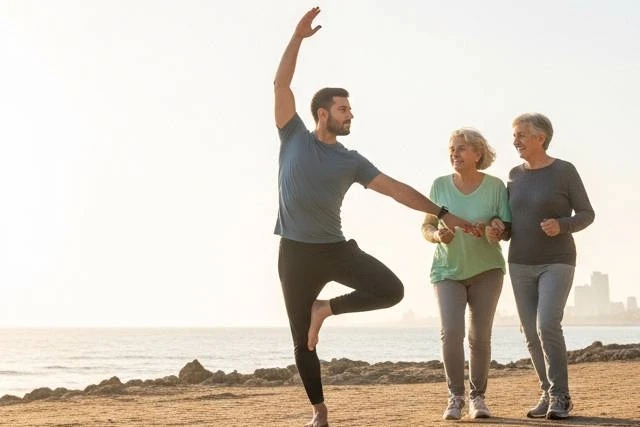
Community spaces in Lod - parks‚ neighborhood centers‚ walking paths - can become regular spots for slow movement in pairs or in groups. When there is a partnership‚ it is easier to stay consistent. The community provides a soft framework that holds the new habit in place for weeks and months and helps make slow movement part of a local way of life.
In Conclusion
Slow movement is not a quick trick but a body language that restores focus during the hours when fatigue tends to take over. It builds a calm nervous foundation‚ makes room for sharper thinking and allows you to move between tasks with less friction. When slow rhythms recur throughout the day‚ less energy is wasted on inner struggle and more goes to creating‚ learning and serving others. Within the pace of life in Lod - at home‚ in studies‚ at work and in public spaces - measured slowing down becomes a reliable tool that lets you finish a busy day with a sense of presence and clarity.