
How Does Furniture Affect Your Sense of Security?
How furniture placement‚ materials‚ colors‚ height and textiles shape the sense of security and calm in an apartment or a house.
The Link Between the Layout of a Space and a Sense of Protection
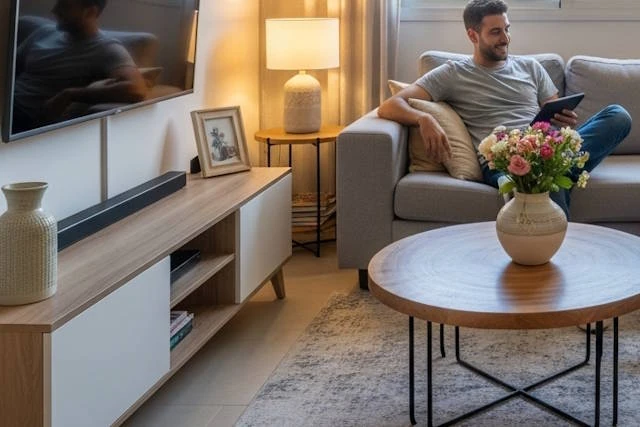
Where the furniture is placed in a room determines how the body feels inside it. When there is support behind you - for example‚ a sofa placed against a wall or a bed that faces the door but is not directly in line with it - a natural sense of protection develops. Furniture arranged to allow an open view of the entrance conveys control and security. In contrast‚ a space where your back is exposed or where there is a lot of visual clutter can cause an unexplained feeling of discomfort. The space should be open enough for movement but defined enough to create a sense of belonging.
Choosing Materials That Convey Stability
The materials furniture is made of affect how we experience the home. Solid wood‚ iron‚ heavy fabric or thick glass convey reliability and durability. They last a long time and give a sense of permanence. Thin or synthetic materials‚ on the other hand‚ may suggest something temporary or fragile. Using natural elements‚ such as warm-toned wood or natural fabric‚ creates a sense of being grounded. In Lod‚ a city of varied character with both old and new homes‚ combining natural materials with contemporary design builds a bridge between old and modern - between tradition and a modern sense of security.
How Furniture Colors Affect Your Mood
Colors play an important role in creating a sense of security. Dark shades such as deep brown‚ graphite gray or navy blue bring a feeling of stability and calm. Light colors‚ by contrast‚ create openness but can sometimes feel too cold if they are not balanced properly. The right mix of dark and light creates a feeling of ease - the light enlarges the space and the dark anchors it. Textures matter too: a matte surface conveys serenity‚ while too much shine creates a restless feeling. Combining the two is what gives a home room to breathe and a sense of balance.
How Furniture Height Affects a Sense of Stability
Furniture that is too low can cause a feeling of insecurity‚ as if the space is "sinking". Furniture that is too tall‚ on the other hand‚ creates distance. The ideal height is one that allows an open view of the entire space without blocking the lines of sight. An apartment where the furniture is layered - medium-height chairs‚ tables at a comfortable height‚ cabinets that end at eye level - creates a sense of stability. This symmetry brings inner order and calms the nervous system‚ much like an even breathing rhythm.
How Furniture Affects Movement and Physical Safety
A sense of security also develops when the body can move easily through the space. Well-placed furniture spares the brain from constantly watching out for obstacles. Wide passages‚ rounded edges and furniture that does not block walkways create a habit of safe movement. Proper lighting‚ combined with the furniture layout‚ also strengthens the sense of security at night. Once the body is not busy avoiding obstacles‚ the mind is free to relax.
Choosing Furniture That Balances Softness and Firmness
Security comes from the balance between a feeling of sturdiness and softness. A sofa that is too soft may feel like you are sinking‚ while one that is too hard keeps you at a distance. Combining a firm backrest with a comfortable seat gives a sense of support without losing warmth. The same principle applies in the bedroom - a bed with a padded headboard and a sturdy frame feels like an embrace and offers a sense of security. This combination of support and softness is what creates a lasting feeling of home.
The Link Between Open Design and a Feeling of Exposure
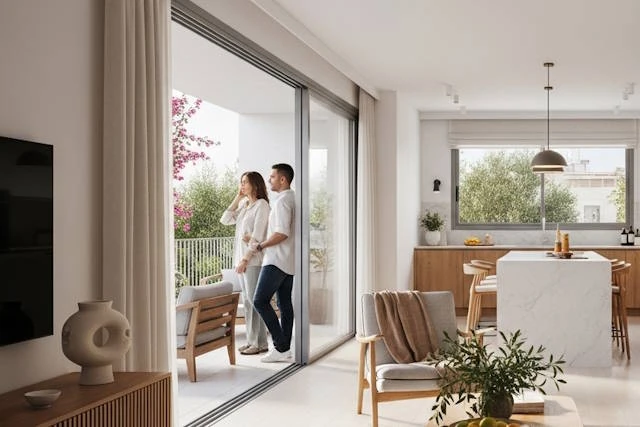
Open-plan spaces have become popular in recent decades‚ but not everyone experiences them as inviting. Too much openness can create a feeling of exposure and a lack of privacy. Furniture that defines zones - a sofa that separates the living room from the dining area‚ an open shelf that creates a gentle back - lets you enjoy the light and space without giving up the sense of protection. This creates a dynamic yet balanced structure in which you can see and be seen to just the right degree.
How the Outdoor Surroundings Affect Security at Home
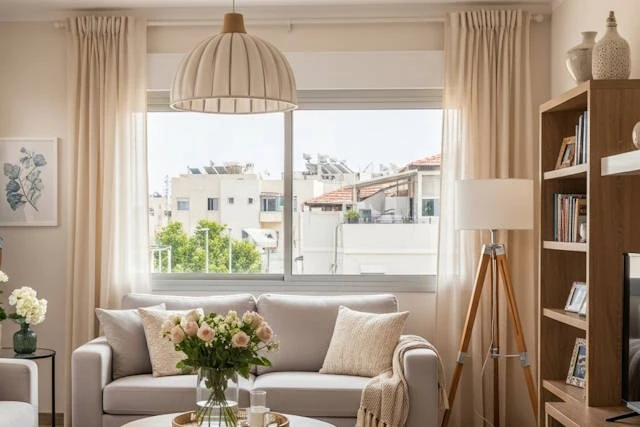
A home does not exist in isolation. The environment outside the window has no less influence than the furniture inside. The placement of furniture in relation to the view‚ the street or the garden changes how a space feels. A seating corner facing greenery creates a feeling of serenity‚ while an opening that looks out on a busy road may call for more calming elements - heavy curtains‚ plants or acoustic materials. In Lod‚ where quiet neighborhoods and public gardens exist side by side‚ placing furniture correctly in relation to the outside completes the inner sense of security.
The Effect of Soft Furnishings and Textiles
Cushions‚ rugs and curtains are not just decoration - they are layers of protection. They soften sounds‚ balance temperatures and bring in a sense of warmth. Soft textiles in calm colors convey serenity and soften the rigidity of hard furniture. Combining soft textures with solid materials creates a sense of stability that is pleasant to both the eye and the body. Psychologically‚ too‚ these elements are perceived as a sign of welcome - a place where you can sit‚ lean back and relax.
Choosing Furniture That Suits Your Lifestyle
Security is also built on the fit between a person and their space. When furniture serves the daily routine rather than getting in its way‚ a feeling of comfort develops. Functional furniture that is easy to use and durable over time provides a sense of stability. In contrast‚ a design that forces you to be overly careful - a fragile glass table‚ an unstable hanging shelf - creates hidden tension. Good furniture is furniture you can rely on‚ in both the simple and the deeper sense.
How Lighting‚ Color and Furniture Create a Sense of Overall Calm
When the three components - lighting‚ color and furniture - work in harmony‚ a complete sense of calm emerges. Each element complements the others: the light highlights the texture‚ the color balances the shadow and the furniture creates the rhythm. An apartment with this kind of harmony is not only beautiful to look at but also feels safe to the heart. It is a quiet sense of security that comes not from locks and doors but from order‚ balance and presence.
Summary
Furniture affects the sense of security far beyond physical comfort. It shapes the flow of energy‚ the feeling of stability and the level of calm of the people who live there. Every material‚ color or placement together forms a system of subconscious messages that shape the overall feeling. In Lod‚ where new neighborhoods are being built next to streets with a rich history‚ the right combination of furniture and planning creates a true sense of home - a place where the body is calm‚ thoughts are in order and the heart knows it is somewhere safe.