
The Body Heals Itself When You Give It a Real Chance
Sleep‚ nutrition‚ gentle movement‚ breathing and calm switch on the body's natural repair systems - as long as they get the time they need.

The Body's Natural Healing System
At any given moment‚ repair processes are taking place in the body - cell renewal‚ detoxification‚ temperature balance and the upkeep of its systems. When the body gets quality sleep and balanced nutrition‚ it knows how to run these mechanisms precisely. During sleep‚ for example‚ the brain filters information and regulates hormones‚ while the immune system identifies damaged cells and replaces them. This is ongoing teamwork that happens beneath the surface. The ability is always there‚ but sometimes a fast-paced lifestyle keeps it from working fully.
How Chronic Stress Delays Healing
When stress becomes routine‚ the body stays in survival mode. Adrenaline and cortisol levels rise‚ blood flow is diverted to vital organs and repair processes are postponed. In this state the body focuses on survival instead of recovery. The moment stress eases‚ the internal system can shift from reacting to repairing. That is why reducing emotional load or work pressure is not a luxury but a necessary condition for recovery. A routine that includes moments of slowing down and mindful breathing allows the body to return to its natural balance.
The Role of Gentle Movement in Healing
Light movement‚ such as walking or stretching‚ improves blood flow and oxygen supply to the tissues. In this way it supports cell repair and speeds up the removal of toxins. The body does not need extreme effort to grow stronger; on the contrary - overexertion can slow recovery. Combining gentle movement with slow breathing encourages healthy circulation and wakes up the lymphatic system‚ whose job is to clear waste and protect against inflammation. The idea is not to force the body forward but to let it move at a pace that suits its condition.
Strengthening the Immune System with Simple Habits
The immune system is directly affected by lifestyle. A diet rich in antioxidants‚ enough to drink and regular sleep hours strengthen it naturally. Moderate sun exposure and movement in the fresh air also improve the production of essential vitamins. When the body gets these resources‚ it is better prepared to deal with viruses and bacteria without outside intervention. Under overload‚ however‚ it is forced to "shut down systems" to save energy‚ and the result is fatigue and vulnerability to illness.
How Sleep Affects Repair and Renewal
Sleep is considered the laboratory where the body does most of its repair work. During deep sleep‚ hormones that speed up growth and renewal are released‚ the nervous system rebalances and the heart beats slowly enough to rest. People whose sleep is broken or too short tend to suffer from low energy and recurring aches. Creating a steady bedtime routine‚ avoiding screens before sleep and keeping the room at a comfortable temperature all support the body's natural repair mechanism.
The Link Between Good Nutrition and Body Balance
Food is not just a source of energy but also the raw material the body uses to build itself. When the diet is varied and rich in vegetables‚ quality proteins and healthy fats‚ the body gets the tools to repair tissue efficiently. Processed food and simple sugars‚ on the other hand‚ cause silent inflammation that slows healing. The right balance of carbohydrates‚ fats and proteins‚ together with plenty of water‚ is one of the key conditions for the body's repair mechanisms to work at their best.
How Thoughts and Emotions Affect Physical Healing
Emotions and thoughts have a direct effect on how the body functions. Fear‚ guilt or prolonged worry affect the nervous system‚ which in turn affects all the other systems. A sense of security and trust in your body‚ by contrast‚ releases the healing mechanisms. Studies show that meditation‚ mindful breathing and expressing gratitude improve immune function and speed up recovery. The more inner calm the body experiences‚ the more resources it devotes to repair.
The Importance of Rest and Pauses in Daily Life
In a society that glorifies constant activity‚ rest is sometimes seen as weakness. In practice‚ it is an essential part of the healing process. A short pause during the day lets the body renew its energy and avoid burnout. Sitting quietly for a few minutes‚ a slow walk or briefly closing your eyes - each is a simple way to reset the system. When pausing becomes a habit‚ the body responds faster to any strain and stays stable over time.
The Body as a Partner in Healing
The body is not a machine that can only be "fixed" from the outside but a living system that responds to every conscious decision. When you give it time‚ rest and the right food‚ it responds with clarity‚ strength and vitality. Seeing the body as a partner rather than an opponent changes how you treat it: instead of fighting symptoms‚ you start listening to its signals. Pain‚ for example‚ is usually a sign of overload or imbalance - not an enemy but a guide.
The Role of Community and Social Support
The environment you live in also affects the body's ability to heal. Social ties‚ a sense of belonging and emotional support encourage the release of hormones that strengthen the nervous system. Lod‚ as a city with a varied community life‚ can be a natural space for sharing‚ group exercise and gatherings that nourish body and soul alike. A community that promotes a balanced lifestyle creates a healing environment even for people who have not yet found that balance on their own.
Balancing Effort and Release
Healing relies on a constant interplay between effort and release. The body needs activity - but it also needs a break. When you know when to act and when to stop‚ you create a balance that prevents burnout. This is true in physical training‚ at work and in your thinking too. Just as a muscle grows during rest and not during the workout‚ the body repairs itself when it is allowed to rest.
The Role of Proper Breathing in Recovery
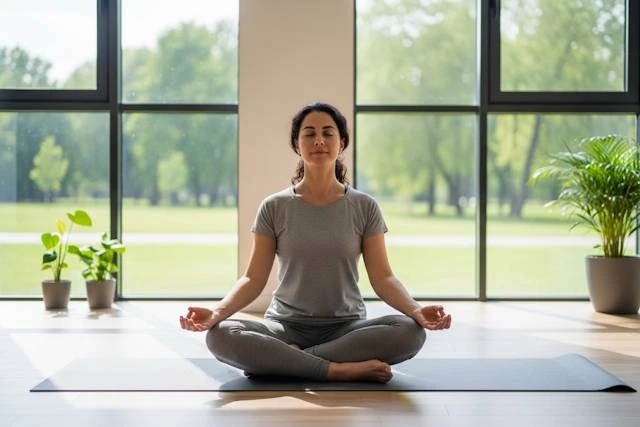
Deep‚ balanced breathing supplies the cells with vital oxygen‚ boosts circulation and helps clear toxins. When breathing is shallow‚ the body tenses up; when it is slow and mindful‚ the body lets go. Adding breathing practice in the morning or evening strengthens the body's ability to repair itself‚ especially during fatigue‚ anxiety or ongoing stress. Breathing is the most direct way to remind the nervous system that everything is fine.
How Your Physical Surroundings Affect Healing
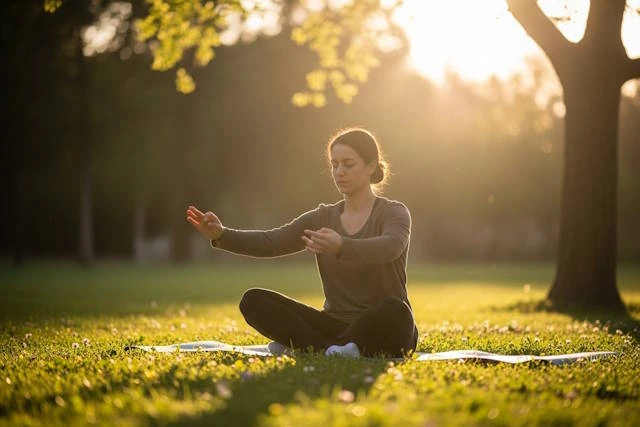
The space you spend time in affects how quickly you recover. A well-ventilated room‚ natural light and pleasant scents create a sense of safety that lets the body relax. Plants‚ calm colors and soft sounds also contribute. In Lod you can find green parks and quiet places that are perfect for a short daily break - moments when the body gets fresh oxygen and real rest. A healthy living environment is not a luxury but part of the natural healing mechanism.
In Summary
The human body has a deep ability to repair itself‚ but to do so it needs basic conditions - quiet‚ rest‚ movement and proper nutrition. Instead of looking for outside solutions‚ there is enormous value in listening to the simple signals the body sends. When you give it a real chance‚ it responds with strength‚ vitality and clarity. Within the rhythm of life in Lod‚ which blends activity with rest and movement with stillness‚ you can see how even a small change in routine - an extra hour of sleep‚ a deep breath or a short walk - can turn the body into an active partner on the journey to real healing and a balanced life.