
Small Car Noises Worth Paying Attention to Early
A squeal when braking‚ a knock over bumps or a hum from the engine is often the first warning of a fault while the repair is still cheap.
What Small Noises in Car Systems Mean
Every part of a car works in precise sync with the others. When an unusual noise appears‚ it usually points to a change in the condition of a material‚ wear or a loss of balance between parts. In Lod‚ where heat and dust affect various systems‚ small noises in the brakes‚ suspension or engine are fairly common. However‚ ignoring them can lead to cumulative damage. Often a noise is the first warning before a real fault‚ so it is best treated as an early sign rather than a passing nuisance.
The Difference Between Engine Noises and Chassis Noises
Not every noise comes from the same place. The engine usually makes cyclical sounds - knocking‚ humming or intake noise - while the chassis produces shorter sounds‚ such as squeaks or light thuds when braking or turning. In Lod‚ where driving combines fast roads with narrow streets and high curbs‚ chassis noises may appear after going over a bump or a pothole. An engine noise‚ on the other hand‚ may indicate low oil‚ a loose belt or a worn engine mount.
How the Climate in Lod Affects the Source of Noises
The hot‚ dusty climate of Lod directly affects the metal and rubber parts of a car. Temperature changes between day and night make materials contract and expand‚ which can cause slight squeaks. In addition‚ dust particles that get into the mechanical system can create constant noise. Sometimes it is only dirt‚ but in other cases it is a sign of accelerated wear. Regular preventive maintenance and keeping the car clean can significantly reduce these problems.
Noises When Braking - an Early Warning Sign
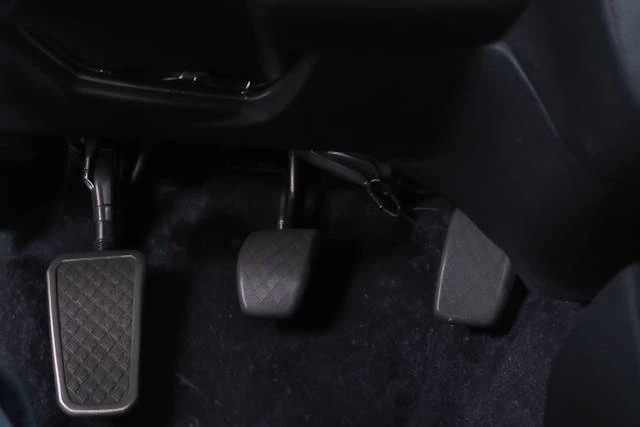
Proper braking should be smooth and quiet. When a squeal appears as you press the brake pedal‚ it is a hint that the pads are worn or that dust has built up between the discs. In Lod‚ where drivers often have to stop in dense city traffic‚ the braking system wears out faster. Spotting a squeal or a click when braking early lets you replace parts before the discs themselves are damaged - a much more expensive repair.
Noises When Turning the Wheel or Driving Slowly
Sounds that appear when turning or rotating the steering wheel may indicate a problem in the steering system or the joints. In Lod‚ where tight parking spots and sharp turns are part of daily life‚ repeated steering movements put strain on the connections. A slight noise at the start of a turn may just be a dry metal mount‚ but if it keeps coming back‚ it is worth having the steering checked soon. Sometimes a drop of grease in the right place is enough‚ but putting off the repair may lead to replacing an entire assembly.
Recurring Engine Sounds - Heat‚ Oil and Belts
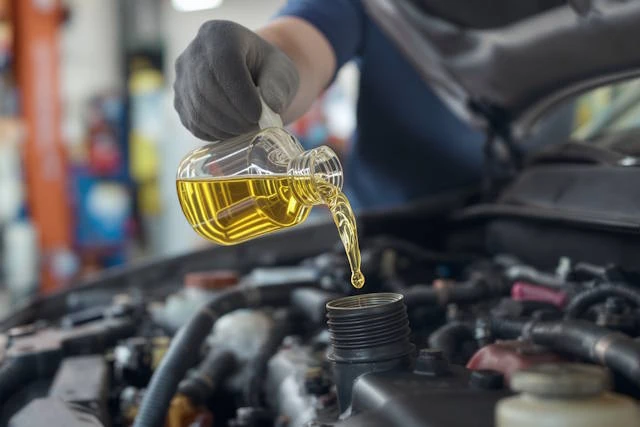
The engine is the most common source of noise‚ but also the hardest to diagnose. In Lod‚ where hot weather creates constant thermal load‚ knocking or humming can come from overheating or poor-quality oil. Loose fan belts squeal on startup‚ while worn bearings produce a steady hum. It is important to understand that a healthy engine should run quietly and evenly - any change in its sound is a warning light that calls for attention.
Noises When Driving on Rough Roads
The city roads of Lod have no shortage of potholes‚ speed bumps and small dips in the asphalt. When noises appear while driving over them‚ the source may be the suspension or a loose piece of metal under the car. Sometimes it is just an engine guard that has come loose‚ but in other cases it is tired shock absorbers. Many drivers get used to such a noise and keep driving‚ but ignoring it reduces the car's stability and increases tire wear.
The Self-Check Every Driver Can Do
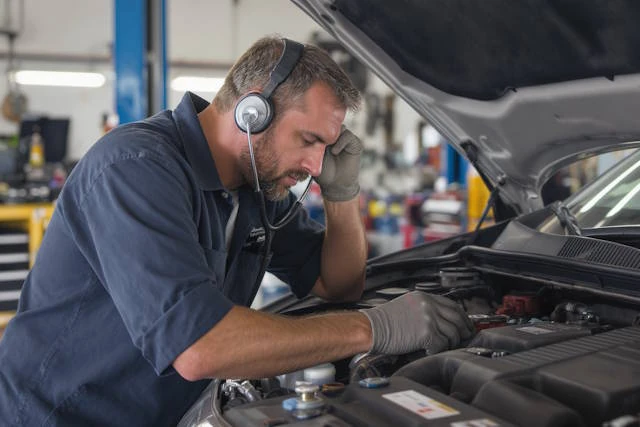
You do not have to be a mechanic to tell whether a new noise needs checking. In Lod‚ many drivers have already learned to stop‚ turn off the car and listen carefully. You can check whether the noise is heard only while driving or also when standing still. If the sound disappears when you shift gears or change speed‚ it may be an accessory belt or the joints. A noise that continues even when the car is stationary‚ on the other hand‚ may come from the engine or the fan. A quick look at the temperature gauge and an oil check can rule out some of the possibilities.
Why It Matters to Visit a Garage in Time
Not every noise needs immediate repair‚ but every noise needs a diagnosis. Many garages in Lod have equipment that can pinpoint the source of a sound with great accuracy. An early repair sometimes costs only a few dozen shekels‚ while ignoring the problem can end in thousands of shekels of damage. A car that drives for a long time with a metallic noise or a persistent squeak not only uses more fuel - it also puts the driver and passengers at risk. It is recommended to schedule a routine check every six months even if no special noises are heard.
How Noises Affect the Driving Experience
Beyond the mechanical side‚ noises also affect concentration and comfort. In Lod‚ where short trips in heavy traffic are routine‚ a recurring sound can cause mental fatigue and a feeling of tension. A quiet car makes for calmer and safer driving. Drivers who deal with noises in time report a more pleasant driving experience and a sense of confidence that comes from knowing every part is working properly.
Summary
Small noises in a car are not a minor detail - they are an early sign that the system needs attention. In Lod‚ where urban conditions are challenging and cars run for many hours a day‚ paying attention to noises can save money‚ time and serious breakdowns. Every unusual sound is a message‚ and how you respond to it is the difference between a simple repair and an expensive fault. Proper maintenance‚ routine checks and really listening to your car are the safe way to ensure quiet - both in your ears and in your mind.