

When Justice Looks Different from Every Side
Why every side has its own truth‚ how law differs from justice and how mediation and dialogue can lead to a fairer outcome.
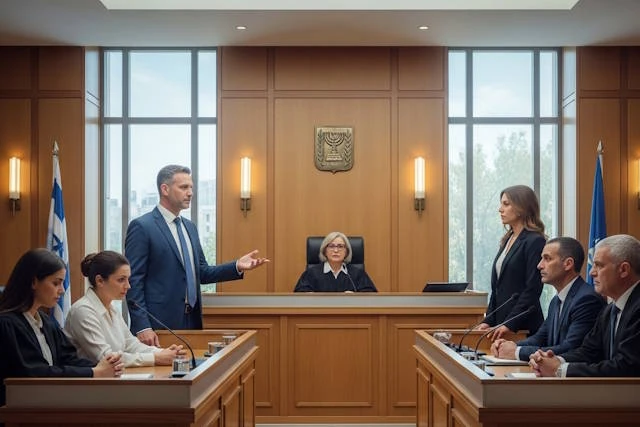
What Justice Means in an Age of Many Interpretations
In the past‚ justice was seen as an absolute value - one truth that everyone had to recognize. Today‚ in an era of open information‚ social networks and instant documentation‚ each side presents its own version‚ sometimes with different facts. The question is no longer just what happened but also who tells the story and how it is presented. Courts‚ like the public‚ face a multitude of voices that create a new kind of complexity. Instead of searching for "one truth"‚ there is a need to understand the links between the versions - the differences between facts and feelings‚ between what is seen and what is said.
The Link Between a Sense of Justice and Emotional Experience
Justice has a deep emotional dimension. When someone feels they have been wronged‚ they are not only looking for financial compensation or legal recognition - they are seeking repair for the sense of injury. A sense of justice is shaped by attitude‚ language and the way the system treats a person. Even if the ruling does not go their way‚ a person may accept it if they feel they were heard and understood. That is why real justice is measured not only by the outcome but also by the process - by fairness‚ transparency and the system's ability to give equal respect to everyone involved.
Choosing Language That Builds Understanding Instead of Blame
Words are an inseparable part of the path to justice. When legal‚ public or personal discourse is based on accusations‚ each side locks into its position. Using language that seeks understanding‚ by contrast‚ changes the whole dynamic. Wording that acknowledges the pain of both sides and emphasizes the wish for a solution rather than the need to win allows the conflict to move to a more human level. In Lod‚ a city where people from different backgrounds live side by side‚ language that unites rather than divides is a living example that justice begins with mutual listening‚ even before reaching a courtroom.
How Culture and Society Shape the Perception of Justice
What is considered just in one society may look completely different in another. Justice does not exist in a vacuum - it grows out of values‚ beliefs and cultural habits. In Israel‚ where diverse communities with different histories live together‚ the perception of justice takes on many shades. Some emphasize equality before the law‚ others mutual responsibility or repairing the past. The more open a society is to listening to others‚ the greater the chance that justice will turn from a struggle into a shared project.
Law and Justice - Not Always a Perfect Match
The law is meant to set clear boundaries‚ but justice is a broader concept. There can be situations where the law is properly enforced but justice is not achieved‚ and vice versa. This distinction is essential for understanding why people sometimes lose faith in the system. A law that does not keep up with social change can create a gap between what is permitted and what is moral. A modern legal system seeks to narrow that gap through more flexible interpretation‚ mediation and open dialogue. In Lod‚ where generations‚ religions and social classes meet‚ this gap is especially visible - but it also creates an opportunity to define a new justice that fits a changing reality.
How the Media Affects Public Perception of Justice
In the media age‚ many trials take place not only in courtrooms but also in headlines and on front pages. The public gets almost instant access to partial and sometimes biased information. Every article‚ tweet or video forms an opinion before all the facts have been heard. In this reality‚ public justice sometimes becomes a matter of image. Careful wording‚ media responsibility and the ability to separate facts from interpretation are essential conditions for maintaining balance. Only in this way can legal justice be protected from the outside influence of public or media pressure.
The Role of Mediators in Building Bridges of Justice
While courts deal with rulings‚ mediators work toward mutual understanding. A well-run mediation process lets each side make its voice heard and see the other's point of view. Sometimes the solution reached this way is fairer than a court ruling‚ because it is based on mutual consent. In Lod‚ where communities have different approaches to resolving disputes‚ community mediation is becoming a meaningful tool for creating real social justice - the kind that restores relationships rather than simply handing down a verdict.
The Link Between Justice and Civic Education
An understanding of justice begins long before any legal dispute. It is built in schools‚ in family conversations and in the community. When children learn that justice is not revenge but repair‚ they grow up to be citizens who respect the law and other people. In Lod‚ where educational institutions operate in close proximity to one another‚ shared learning of the values of tolerance‚ dialogue and listening is especially important. Justice is also built from a routine of mutual respect and not only from court decisions.
Choosing a Legal System That Values Rehabilitation Alongside Punishment
A modern legal system is not only about punishment but also about rehabilitation. Restorative justice aims to bring a person back into society rather than push them away from it. When the system allows for real responsibility and repair - through community service‚ therapy or a rehabilitation process - justice becomes more humane. The goal is not just to assign guilt but to create positive change. This preserves the balance between protecting the public and offering a chance at a new path.
The Complexity of Justice in Social Conflict
In situations of deep conflict‚ justice cannot be clear-cut. It requires the courage to give up total victory for the sake of shared stability. Each side must acknowledge the other's pain‚ even without accepting its position. In Lod‚ where the public sphere reflects broad human diversity‚ this acknowledgment is especially important - a justice that is measured not only by a verdict but also by the relationships between communities.
In Summary
Justice looks different from every side because it reflects different people - each with their own experience‚ pain and background. The law tries to draw clear lines‚ but human understanding adds depth and feeling to them. Only when the legal system‚ society and individuals learn to listen to one another can real justice be reached - not just a signed piece of paper but a sense of fairness felt in the heart. In Lod‚ as anywhere diverse people live together‚ this task is a daily opportunity to make the city a place where justice is not just an abstract principle but part of life itself.