
How Does Careful Wording Become Real Protection?
Why choosing your words carefully in conversations‚ messages and contracts protects both sides‚ prevents conflict and builds trust.

The Meaning of Careful Wording in Everyday Communication
Careful wording begins with understanding that words build reality. Even an everyday conversation can become a decisive moment if it takes place in a charged situation. Precise word choice‚ the right tone of voice and the use of empathy create communication that protects both sides. Words that are too direct can sound aggressive‚ while wording that is too soft can be read as a lack of confidence. It is the balance between clarity and gentleness that allows mutual respect to be kept and unnecessary conflicts to be avoided.
Choosing Words That Prevent Misunderstandings
Whether it is a professional email‚ a post online or a face-to-face conversation‚ the words you choose affect the way the message is received. Precise wording includes not only what is said but also what is left unsaid. When setting boundaries‚ for example‚ the way things are presented matters - stating a clear position while keeping a calm tone increases the chance of being understood. Careful wording is based on thinking ahead: how will the message be perceived? Who is on the other side? And what can be gained from one more clarification before sending?
The Link Between Precise Wording and Legal Responsibility
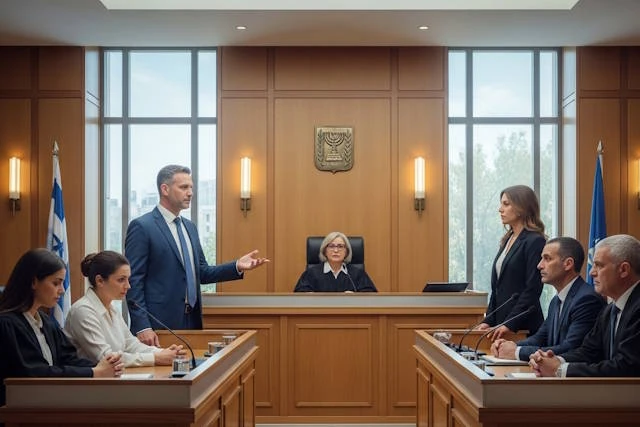
In an age when almost every communication can be saved‚ responsibility for wording has also become legal responsibility. A single message written in haste‚ a comment on a forum or a contract drafted without care can later turn into evidence. Careful wording protects interests and guards against future claims. Lawyers‚ journalists and business people know that the power of words is greater than that of any other tool‚ so they make sure to phrase every sentence in a way that cannot be read two ways. In Lod‚ where small and community businesses operate side by side‚ careful wording can decide whether a partnership continues or ends in dispute.
How Wording Affects the Confidence of Readers and Listeners
When someone speaks or writes with confidence but without being aggressive‚ those around them sense stability. Careful wording conveys self-control and creates a sense of security. The audience feels it is receiving information from a responsible and respectful person. At work too‚ measured wording encourages a calmer work environment. A manager who expresses criticism in soft terms‚ for example‚ allows employees to learn and improve without fear. Precise words are not just a speaking technique but the expression of a worldview that understands that every word carries weight.
Choosing Wording That Prevents Escalation
In any argument‚ wording is the line between dialogue and an explosion. Phrases like "I understand your point of view" or "It seems there is a gap between us worth looking into" allow the conversation to continue without causing personal offense. Words that are too sharp‚ on the other hand‚ trigger an emotional reaction that makes a solution harder to reach. Careful wording keeps an emotional distance from anger and allows you to deal with the substance rather than the tone. That way words become a means of calming down rather than of self-defense.
How Body Language and Tone Affect Wording
Careful wording does not end with the written words. The way they are spoken also affects their meaning. A calm tone‚ direct eye contact and slow movements strengthen the message and give a sense of confidence. Stiff body language or a voice that is too loud‚ on the other hand‚ can contradict the content itself. In a face-to-face meeting‚ harmony between verbal and physical expression creates consistency that increases trust. This creates understanding that is not only intellectual but also emotional.
The Link Between Wording and Trust in Relationships
Trust is built from measured words. Even when something difficult needs to be said‚ careful wording conveys responsibility. In relationships‚ whether personal or professional‚ precise words make it possible to handle disagreements without burning bridges. A statement like "I have a different point of view" will be received completely differently from "You are wrong". Careful wording leaves room for the other side without giving up your own position‚ and in doing so creates the ground for real dialogue.
How Digital Culture Raises the Importance of Wording
The digital world has changed the way words are consumed. Short messages‚ social media comments‚ emails and posts pass between hundreds of people at the click of a button. Every sentence becomes public in an instant. Imprecise wording can lead to negative interpretation‚ misunderstandings and even damage to reputation. On the other hand‚ precise wording can build broad trust. In Lod‚ a city where different communities live side by side‚ careful wording in digital communication can prevent tension between groups and maintain an atmosphere of mutual respect.
Choosing Wording That Respects Time and Place
Careful wording also includes paying attention to context. A sentence that sounds fitting in one place may sound offensive in another. Choosing the right words for the time‚ the culture and the circumstances prevents awkward situations. For example‚ matter-of-fact and focused wording suits a work meeting‚ while soft and personal wording suits a conversation with a neighbor. When the wording fits the setting‚ the message is received naturally and without resistance.
The Emotional Side of Careful Wording
Precise wording is not just technical - it is based on emotional awareness. Understanding the feelings that come up while speaking or writing makes it possible to regulate them and choose words that lead to understanding rather than confrontation. A person who is aware of the impact of their words creates a sense of security in others as well. The calm that comes from careful wording is not weakness but quiet strength‚ the kind that allows you to act from stability rather than from impulsive reaction.
In Conclusion
Careful wording is a skill that connects thought‚ responsibility and empathy. It allows you to convey precise messages‚ build trust and prevent unnecessary conflicts. In a world where every word can be saved and interpreted in different ways‚ the choice to spend one more moment on wording becomes a real means of protection - not only legal but also human. In Lod‚ where different voices meet every day‚ the ability to speak in a measured and respectful way creates a more stable society and a community that understands that words too can protect‚ soften and build bridges of mutual understanding.