
Why We Fall in Love with the Packaging Before the Product
How color‚ shape‚ materials and even the sound of opening a package shape our sense of quality‚ brand trust and the decision to buy.
The Psychological Power of a Visual Impression
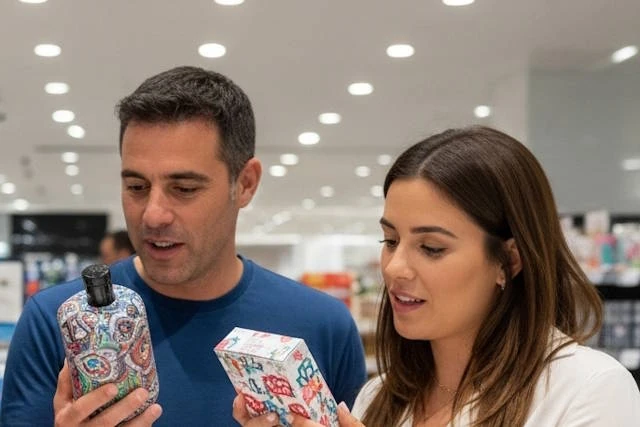
The human brain tends to interpret visual stimuli quickly and attach emotional meaning to them. Colors‚ shapes and textures trigger automatic reactions even before any conscious thought takes place. Warm shades such as red and orange create a sense of energy and urgency‚ while blue and green convey calm and confidence. Packaging designed with clean lines is perceived as high-quality and luxurious‚ while an overload of colors and fonts can signal a lack of reliability. This choice is not random - it relies on extensive research in the psychology of perception‚ which shows how strongly a visual experience can influence a buying decision.
How Packaging Affects Perceived Quality
Many consumers link careful design with high quality‚ even when the product itself is identical to its competitors. Thick packaging‚ materials that are pleasant to the touch or clean printing create a sense of investment‚ and so the brain concludes that the product itself is of higher quality. This phenomenon is also well known in the food sector‚ where products in elegant packaging are perceived as healthier‚ even if there is no nutritional basis for it. Packaging creates a whole story around the product‚ and sometimes that story matters no less than the contents themselves.
How Consumer Culture Shapes Expectations and Emotions
In an age when store shelves are crowded and screens are full of ads‚ packaging has become a survival tool. It serves not only as a wrapper but as a signpost that directs attention. When a product manages to stand out through unique design‚ it delivers a sense of discovery and satisfaction even before the purchase. This feeling of having found "a real find" comes with excitement‚ which increases the chance that the product will be remembered. This is how an emotional bond forms between the buyer and the packaging‚ even if the product itself is used much later.
The Impact of Materials‚ Sound and Touch
The experience of packaging is not only visual. The sound of a wrapper being opened‚ the weight of the box or the feel of the texture all affect the overall perception. Rigid cardboard packaging conveys reliability‚ while thin plastic is sometimes seen as worthless. The way the package opens also matters - an action that requires a gentle twist or an elegant pull creates a sense of luxury. Studies have found that combining auditory‚ visual and tactile stimuli activates the brain's reward system and leads consumers to report higher satisfaction.
How Packaging Shapes the Brand Experience
Successful brands create consistency between company values and the outer design of the product. When the colors‚ symbols and materials match the trust the brand wants to inspire‚ a sense of completeness emerges. Customers recognize this language intuitively and develop emotional loyalty. Packaging that manages to tell a story and create a sense of belonging becomes a kind of "ambassador" for the brand‚ even outside the store. It goes home with the consumer and keeps having an effect after the purchase‚ every time the product is taken off the shelf at home.
The Link Between Packaging Design and Personal Identity
Consumers do not just choose a product - they make a statement about themselves. Packaging that conveys luxury‚ environmental sustainability or technological innovation allows people to express personal values through what they buy. When the packaging speaks a language close to the buyer's world‚ it creates a sense of connection to their identity. So choosing a product is not only functional but emotional - a kind of outward expression of how a person sees themselves in the world.
Packaging as a Tool for Building Trust
In many cases‚ the packaging is the first point of contact between the consumer and the product. Trust is created when the packaging conveys transparency and honesty - clear information‚ clean and minimalist design and quality materials that highlight the inner value. Packaging that hides things or is overloaded can arouse suspicion even if the product is good. That is why transparent and responsible design creates a sense of reliability before any real experience of the product.
How Design Innovation Affects the Shopping Experience
Innovation in packaging is not just a visual novelty but a way to surprise and excite. Unusual shapes‚ original opening mechanisms or biodegradable materials give a sense of added value. In a world where consumers are looking for experiences‚ even small details can make a product exciting. Innovation of this kind sparks curiosity and conveys attention to detail - a quality the consumer automatically attributes to the product itself as well.
The Importance of Sustainability in How Packaging Is Perceived
In recent years‚ sustainability has become an important moral measure in choosing products. Many consumers prefer biodegradable packaging‚ recycled materials or designs that reduce waste. When packaging conveys environmental responsibility‚ it creates a sense of identification and encourages loyalty. Even small businesses in a city like Lod are adopting such approaches‚ understanding that green packaging reflects community values and care for the environment.
How Global Trends Influence Local Design
In a global world‚ design trends move quickly between continents‚ but it is in the local context that meaning is created. Combining international elements with local cultural features allows packaging to feel familiar and authentic. In Lod‚ for example‚ small businesses are finding ways to combine modern design with traditional touches - colors reminiscent of the markets‚ typography inspired by the city streets or illustrations inspired by the surrounding landscapes. This combination builds trust and connects the local audience to the product on an emotional level.
The Role of the Overall Experience in the Buying Process
Packaging does not end the moment it is opened. It continues to affect satisfaction‚ the desire to recommend the product to others and the decision to buy it again. Easy opening‚ a clean and pleasant feel and aesthetics that last over time - all of these create a positive memory that stays in the mind. This is how the link between the first impression of the design and trust in the product is built. When the packaging stays with the user after the purchase‚ it keeps alive the feeling that the product is worth the investment.
In Conclusion
Falling in love with the packaging before the product is a natural process of the brain‚ driven by the wish to find order‚ security and beauty in a world of abundance. Packaging is not just a wrapper - it is a communication tool that tells a story‚ conveys emotion and creates a memory. Smart design does not lie but highlights the true values of the product and allows consumers to choose in a way that feels right to them. In Lod‚ as in any other city‚ the meeting between a product and a person begins with a quick glance - and in that glance‚ the packaging is the first ambassador of trust.