

A New Order at Home Changes Your Bank Balance Too
How an organized home helps you avoid duplicate purchases‚ save time and money and manage the family budget with less stress.
The Direct Link Between Physical Clutter and Spending
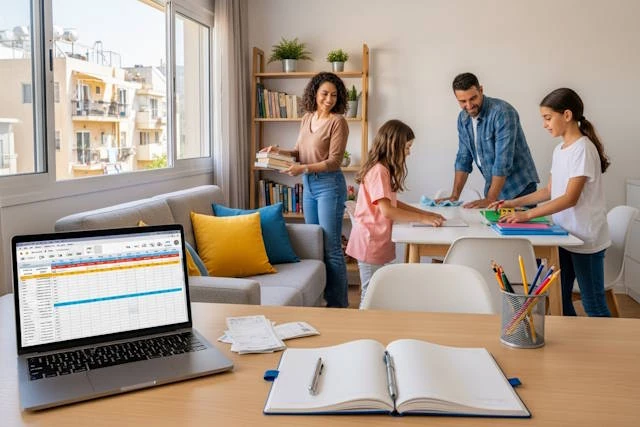
Clutter at home often leads to duplicate purchases - you buy a new item because you cannot find the one you already have. This happens in almost every area: kitchen utensils that vanish in a packed drawer‚ clothes buried in piles or financial paperwork scattered between rooms. Once order is created‚ forgotten items turn up and unnecessary spending is avoided. Beyond that‚ the sense of control that comes with an organized space leads to more considered consumer behavior. Suddenly there is less need to make up for emotional overload with impulse buying.
How Order Affects Your State of Mind
Outer order creates a sense of inner security. When everything is in its place‚ the brain spends less energy searching and feeling confused. That energy is freed up for rational thinking‚ including financial decisions. People who live in a clean‚ organized environment tend to be more patient about delaying gratification‚ which leads to less unnecessary spending. Order creates a sense of control that also seeps into how you manage time‚ food and money.
How Your Living Space Shapes Spending Habits
The home is a mirror of habits. When the space is full of unnecessary items‚ it creates the impression that "we have everything"‚ yet in practice many of those items are not used. This mindset encourages buying out of habit rather than real need. An organized home where you can clearly see what you have‚ by contrast‚ reduces the urge to accumulate. It also encourages satisfaction with what you already own and greater appreciation for what has been bought. This brings a deep change in your relationship with money and possessions.
The Role of Order in Time Management and Efficiency
When the home is organized‚ time is managed better too. There is no need to hunt for documents‚ work out when to buy a missing product or deal with a mess that slows every task. Time saved quickly turns into money saved - fewer takeout orders‚ fewer emergency purchases and fewer hours wasted fixing mistakes. Careful organization also saves emotional resources‚ and these affect personal finances just as much as the numbers in the bank.
How Order Affects Family Relationships
When the home is in balance‚ the family atmosphere changes as well. There are fewer arguments over belongings‚ less sense of overload and more quality time. All of this translates into fewer unexpected expenses - fewer compensation purchases and fewer expensive outings just to "escape the mess". A pleasant‚ organized home creates a sense of calm that reduces the need for outside emotional filling. The whole family benefits from the security and financial clarity that come with order.
How Order Leads to Deeper Financial Understanding
Tidying the home also reveals your attitude to value. When you sort through belongings‚ you discover how much money went into items that never really served a purpose. This is an important moment of financial learning - the realization that spending is not always an investment. The sorting process teaches you to recognize patterns of emotional buying and replace them with good judgment. Every item given away or sold tells a story of changing perspective: from a relationship with things to a relationship with balance.
How Design and Aesthetics Affect Self-Worth
When the home is tidy and designed around real needs‚ it creates a sense of satisfaction that strengthens self-worth. People who feel good at home are less likely to buy out of a sense of lack. A living space that radiates harmony lowers stress and encourages calmer money management. In this way physical order becomes a therapeutic tool - not only for belongings but for the mind as well.
The Link Between Home Order and the Urban Environment
Cities like Lod today represent a blend of new and old - developing neighborhoods alongside long-standing buildings. In the same way‚ a private home reflects this dynamic. Keeping order and beauty at home creates a sense of belonging and strengthens the connection to your surroundings. When residents take care of order inside‚ order in the community follows - a sense of mutual responsibility and a clean environment that affect quality of life.
Order as a Lever for Creative Thinking
An organized environment frees up room for thought and creativity. Instead of the brain being busy remembering what is missing‚ it is free to think about what is possible. It is no coincidence that people who work in a clean space come up with new ideas and spot financial opportunities. Physical order opens doors to business or personal moves that were not visible before - because now there is room for ideas too‚ not just on the shelf.
The Link Between Belongings‚ Emotions and Memory
Many belongings hold memories‚ but when they pile up they can become an emotional burden. Gradual sorting makes it possible to let go of old feelings and create new space. This process affects not only the soul but also finances: fewer emotional purchases and more awareness of real needs. The home becomes an environment that supports growth rather than escape.
How Technology Helps Keep Things in Order
Digital tools now offer convenient solutions for organizing the home and the budget. Apps for managing lists‚ tracking expenses and keeping household inventory make the routine simpler. When these tools are used as part of a daily habit‚ they support physical and financial order at the same time. Combining technology with home management makes it possible to act precisely and avoid costly mistakes.
The Connection Between Personal Order and Social Responsibility
Order is not just a private matter. Tidy homes create more pleasant and safer neighborhoods‚ and the collective effect is noticeable. A sense of responsibility for your home also leads to broader environmental and financial responsibility - recycling‚ saving resources and balancing consumption with giving back. In Lod‚ where the local community is a significant part of city life‚ change starts from within - from the small drawer at home - and spreads to the whole street.
In Summary
A new order at home is much more than a design change. It redefines your relationship with money‚ time and well-being. When everything is in its place‚ your thoughts fall into place too and habits change. The home becomes purpose-driven‚ waste goes down and financial peace of mind grows. In Lod‚ as in any city where the pace keeps picking up‚ personal order is also social order - a small step in the living room that can change your bank balance and your whole sense of life.