
Smooth Braking as Part of Good Driving Habits
Paying attention to the road‚ keeping a safe distance and braking gradually protect the car‚ save fuel and make every ride calmer.
The Link Between Road Awareness and Braking Quality
Smooth braking starts long before you press the pedal. In Lod‚ where city traffic shifts between the morning hours and the evening rush‚ drivers who learn to anticipate situations in advance manage to brake in a more controlled way. Paying attention to the traffic ahead‚ the distance from the car in front and road signs reduces the need for sudden braking. This awareness creates planned driving that prevents stressful situations and allows gradual braking. The calmer and more attentive the driver is to their surroundings‚ the softer and more effective the braking becomes.
Choosing a Speed That Suits Road Conditions
Driving too fast almost always leads to sharp braking. In Lod‚ where city roads connect to fast highways‚ many drivers find that a moderate pace brings inner calm and better control of the car. Driving at the speed of the general flow allows measured braking when needed. When the speed is relatively low‚ the body also responds better to braking‚ which prevents a jolting feeling or loss of stability.
How a Safe Following Distance Helps You Brake Correctly
Keeping your distance is perhaps one of the simplest yet most important rules of driving. In Lod‚ with its varied traffic of private cars‚ buses and two-wheelers‚ the right distance allows a calm response in any situation. A driver who stays at least two to three meters from the car in front gains precious seconds to react and can brake without pressure. Braking with a reasonable margin of time prevents skidding‚ keeps brake wear low and adds to an overall sense of safety.
How the Condition of the Car Affects Braking
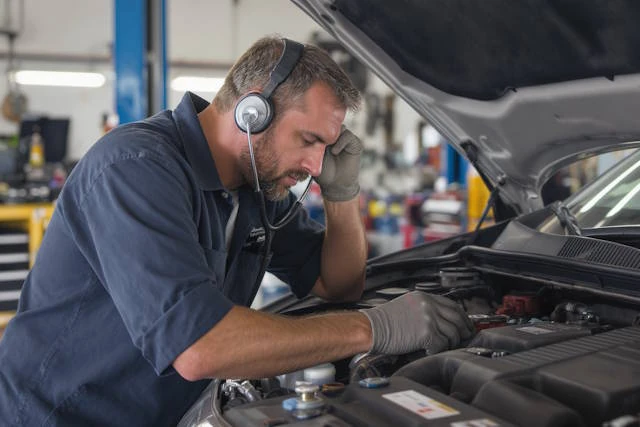
Smooth braking is not only the result of the driver's behavior‚ but also of how the car is maintained. In Lod‚ where many drivers move between residential and industrial areas‚ road conditions change often‚ so regular checks of the brakes‚ tires and shock absorbers are extremely important. Worn tires or uneven tire pressure can cause uneven braking. Worn brakes also create a vibrating feeling or a pull to one side. A well-maintained car responds more predictably and steadily when braking.
How Your State of Mind Affects Braking
Tension‚ fatigue or stress directly affect a driver's reaction. In Lod‚ where driving sometimes comes with emotional strain‚ calm drivers tend to brake more smoothly and precisely. When the mind is busy or restless‚ braking becomes too instinctive and sometimes too hard. Awareness of your inner state lets you slow down in good time and regulate the pressure on the pedal in a controlled way. Calm driving is the result of a balance between outward attention and inner awareness.
Gradual Braking as a Habit of Control
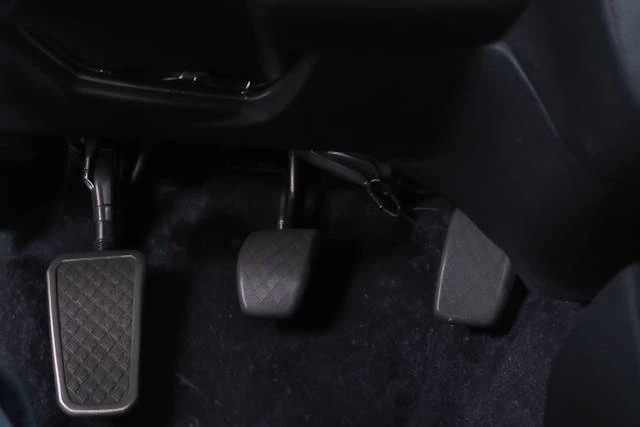
Gradual braking keeps full control of the car and prevents a sharp shift of weight that could cause a loss of grip. In Lod‚ where many roads include sharp turns and closely spaced crosswalks‚ soft braking is a significant advantage. Gradual braking happens in stages: first a slight slowdown‚ then steady pressure on the pedal and finally a gentle release just before stopping. This way the passengers keep their balance‚ and the car stays stable throughout.
Why It Matters to Coordinate Braking with the Gearbox
Drivers in Lod who use a manual or an advanced automatic gearbox learn that proper braking involves coordinating the brake pedal with downshifting. Downshifting while braking helps the engine use its own braking force‚ which allows smoother braking. Shifting gears too sharply causes a jolt‚ while proper timing creates a natural‚ flowing stop. Combining the two forces - the engine and the brakes - is what gives driving a real sense of control.
How Proper Braking Helps Save Fuel
Many drivers are not aware that sharp braking increases fuel consumption. In Lod‚ with its short distances and often frequent stops‚ moderate driving saves both money and fuel. Every sudden stop requires accelerating again‚ which uses more energy. By contrast‚ when you slow down gradually and plan the stop in advance‚ fuel use goes down. In addition‚ the brakes wear more slowly and the car stays economical and efficient for years.
How Smooth Braking Affects Passengers and Others on the Road
Sharp braking is unpleasant for passengers. It causes jolts‚ muscle strain and sometimes fatigue. In Lod‚ where many drivers carry children or older passengers‚ gentle braking ensures a more comfortable and safer ride. It also affects cyclists and pedestrians nearby - calm‚ clear driving prevents surprises on the road. Soft braking creates a harmonious traffic environment in which everyone enjoys greater safety.
Summary
Smooth braking is not just a technical action - it is an expression of a mature and considerate driving style. In Lod‚ where drivers share the roads with a wide range of road users‚ this habit has a double meaning - for safety and for the community. Soft braking protects the car‚ safeguards the passengers and signals consideration to those around you. The more drivers adopt this habit‚ the calmer‚ safer and more efficient city traffic becomes. Proper braking reflects inner calm and awareness‚ and it is the small difference that prevents big mistakes.