
Small Towns That Teach Us How to Live Slowly
What small towns in Israel teach about slow living: a natural pace‚ close community‚ quiet‚ nearby nature and a healthier work-life balance.
The Magic of a Natural Pace of Life
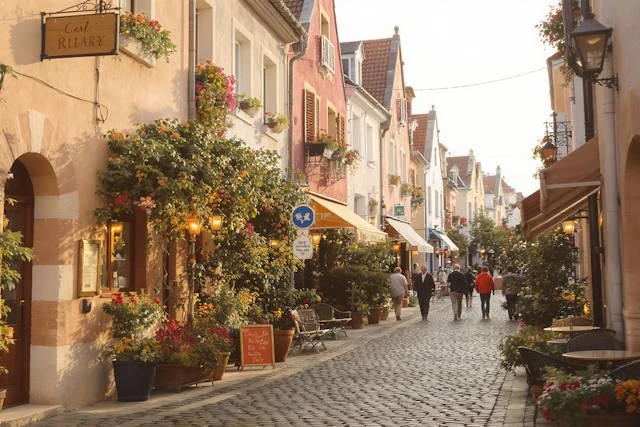
In small towns‚ time is measured not by goals but by feelings. People work‚ raise families and meet friends - but everything happens at a pace that goes along with the day rather than competing with it. Places like these let you rethink the idea of efficiency: not how much you got done‚ but how you felt while doing it. Unlike bustling urban centers‚ there is no need to rush here. Deals are closed after a relaxed conversation‚ and a good idea matures on a bench facing the view.
A Community Built on Knowing Each Other
One of the most striking differences between a big city and a small town is the level of human closeness. In small towns‚ every smile is returned and every shopkeeper knows customers by name. Community life does not happen only at official events but in every daily interaction. A grocery‚ a bakery or a cafe becomes a small social center where initiatives are born‚ partnerships take shape and warm connections are formed. The trust that grows out of this familiarity strengthens the sense of security and allows residents to be truly present in their own lives.
Open Spaces and the Ability to Hear the Silence
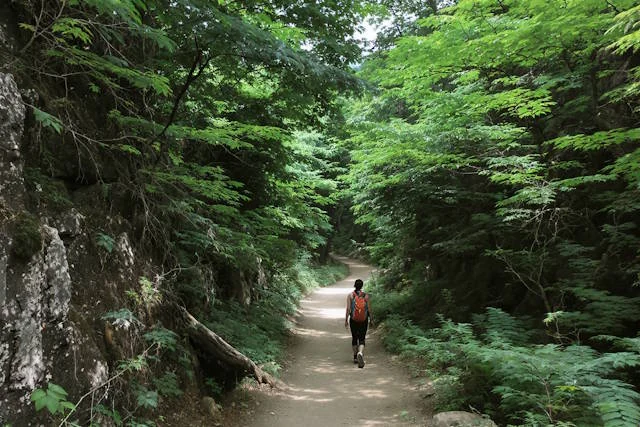
In a small town‚ the distance between home and nature is especially short. Instead of the noise of nonstop traffic‚ there is the rustle of leaves or birdsong. A lookout point or a nearby wadi is so close that it becomes part of the daily routine. The silence here is not empty - it makes room for thought‚ focus and creativity. For many people‚ this is a real change of lifestyle: from a constant flood of stimuli to a clean experience of presence. Those who experience it discover how much a slow pace is an expression not of laziness but of balance.
How a Slow Pace Affects Mental Health
Many studies indicate that a calmer life has a positive effect on physical and mental health. In small towns‚ where there is no constant pressure to get everything done‚ stress levels are lower‚ sleep is better and relationships unfold naturally. Free time is not rare or scheduled but present as an inseparable part of the day. This pace invites you to stop for a moment‚ look around and rediscover your connection to yourself and to others.
Real Time - Time of Quality‚ Not Quantity
One of the deepest insights small towns offer is the difference between full time and busy time. In big cities‚ people are sometimes busy all the time yet feel they have no real time at all. In small towns‚ by contrast‚ the rush gives way to quality. There is time for a real conversation‚ slow cooking‚ long reading or aimless strolling down the main street. Every moment feels complete because it is not snatched between chores. It is a reminder that a good life is measured not by the number of actions but by their meaning.
How a Small Space Shapes a Sense of Belonging
In small towns‚ every place takes on personal meaning. The public garden becomes a regular meeting spot‚ the bench on the street becomes a daily stop and the local shops create a sense of shared ownership. This sense of belonging strengthens inner confidence and creates a real feeling of home. Many who come from big cities describe a sense of relief - as if they can finally stop keeping up an artificial pace and start listening to themselves.
A Return to Values of Simplicity and Authenticity
In a small town‚ simplicity is not a drawback - it is an advantage. Instead of being impressed by endless novelties‚ people appreciate what already exists. Daily life revolves around small things: a local market‚ fresh vegetables from nearby farmers‚ simple Shabbat rituals. This sense of continuity brings to mind values of stability‚ community and humility. It is no coincidence that many people today are looking to move to small towns in particular - because there they find what is missing in the big race: inner peace and a sense of meaning.
A Leisure Culture Built on Presence
Leisure in small towns is not measured by the number of events but by their quality. A seasonal festival‚ a poetry evening or a small show in the square can draw the whole town. Personal free time is also filled with simple but deep content - a walk through the fields‚ a family picnic or a chat with a neighbor that ends at sunset. The slow pace lets you experience the moment fully‚ without rushing to photograph or share it. Here the heart takes it in before the screen lights up.
Balancing Work and Private Life
Thanks to digital development‚ many people can now work remotely even from a small town. This means a real change in the relationship between work and private life. In Lod‚ in Beit She'an or in Zichron Ya'akov‚ you can finish a workday and be home within minutes. This clear transition between work and rest helps maintain better mental health and closer relationships. In this sense‚ small towns teach how to live without giving up a career - just by changing the balance.
Local Culture as a Mirror of Calm Living
Every small town keeps its own unique identity. In ancient Lod‚ in renewing Ramla or in northern Metula‚ you can see the blend of history‚ community and landscape. Local culture is not created by PR campaigns but by daily life. Music played in the street‚ local artists exhibiting in a neighborhood gallery or a bakery that continues a three-generation tradition - all of these create a sense of roots that connects past and present and gives a rare sense of continuity.
In Conclusion
Small towns remind us what a human pace is. They teach that a good life is not measured by how fast you move forward but by how deeply you experience it. Between quiet streets and real conversations‚ between nearby nature and contact with people‚ a different quality of life is revealed - simple but powerful. It is an important lesson for anyone who wants to stop‚ breathe and rediscover the meaning of time. Sometimes the road to a better life does not go through speed - but through slowing down.