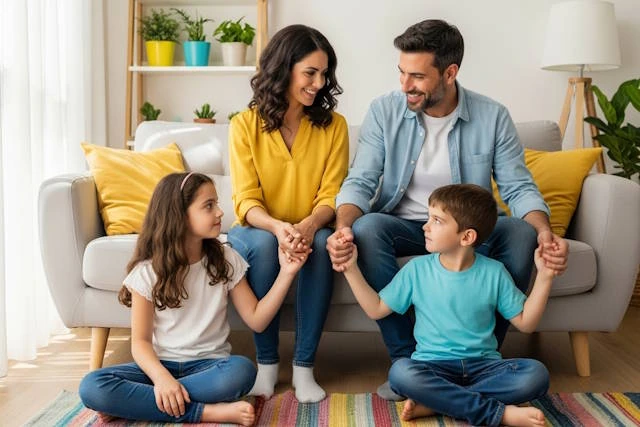

A Simple Game That Brings Generations Together
How board games‚ cards‚ dominoes and childhood street games bring children‚ parents and grandparents closer without screens.
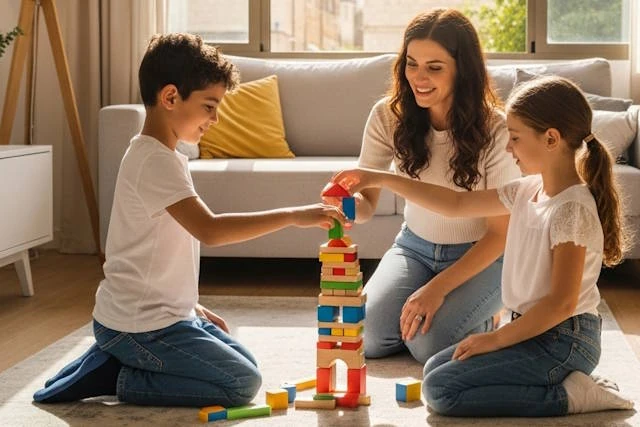
The Power of Simplicity in a Family Game
It is simplicity that makes real connection possible. A game that requires no prior knowledge‚ phone or screen creates equality between the players. In Lod‚ where homes are full of life and neighbors are close‚ you can see old games coming back into fashion. Board games‚ cards or even dominoes become an opportunity to touch‚ laugh and tell old stories. This simplicity is a reminder that sometimes all it takes to bridge a gap is one glance and a shared smile.
The Emotional Connection Created Through Play
A game is not only fun; it is also communication. When a child laughs with their grandfather‚ they share a moment with no hierarchy or expectations - only real partnership. In Lod‚ where generations of families who have known one another for years live together‚ play is an opportunity to remember the past and create new memories. Play opens the heart and lowers barriers. Through a shared experience‚ a new language is born‚ soft and close.
Choosing Games That Bring Back Memories
Old games carry a scent of nostalgia. In Lod‚ where the streets are full of childhood stories‚ games like "five stones" or hopscotch become a kind of bridge to the past. When a grandfather teaches his grandchild a game from his own childhood‚ a two-way experience is born: the child discovers the family history through movement‚ and the adult feels young again. The memory becomes a living action‚ not just a story told out loud.
How Play Strengthens a Sense of Belonging
When a family plays together‚ a sense of "us" develops that needs no words. In Lod‚ where the community is made up of diverse families‚ a simple game like soccer in the yard or cards on the balcony creates a connection that goes beyond age or background. Everyone finds their place. Play strengthens a sense of family belonging - not through speeches or rules‚ but through a natural experience of togetherness.
How Games Contribute to Emotional Development
Family games are not just quality time; they are also a tool for emotional development. Children learn to cope with losing‚ wait their turn‚ cooperate and cheer for others. In Lod‚ where community values matter so much‚ play is a way to teach social skills naturally. Instead of delivering educational messages directly‚ a game does it gently. It teaches values without talking about them‚ simply through experience.
Play as a Way to Break the Family Routine
Everyday life can wear down the bond between generations. Work‚ school and digital devices leave very little time for relaxed conversation. In Lod‚ where families live at an urban pace alongside strong family traditions‚ play is a break from the daily grind. It creates a moment when everyone is together in the same space - no distractions‚ no screens‚ just full presence. It is a time when the bond grows stronger almost without anyone noticing.
The Advantage of Intergenerational Games
Games that both eight-year-olds and eighty-year-olds can play create an equality that warms the heart. In Lod‚ where young and old live side by side‚ these games connect the two ends of the spectrum. There is no competition over knowledge or skills here‚ only simple human connection. When children see their grandfather or grandmother laughing‚ they learn that age is no barrier. The game becomes a tool for real intergenerational connection in which everyone wins.
Choosing Small Moments as a Big Experience
Sometimes the game is only the excuse. In Lod‚ where the streets are full of children's voices and laughter‚ you can see families sitting together in the garden or on the balcony with a simple card game. These small moments seem routine‚ but they are the ones that will stay in memory. A short game after dinner or before bedtime can become a family ritual that lasts for years to come.
How Play Affects the Sense of Shared Time
During a game‚ time bends. Minutes turn into hours‚ and everything comes down to a single moment of smiling. In Lod‚ where family life sometimes runs at a fast pace‚ play makes it possible to pause. There is no pressure to get things done and no need for results. It is a moment of full presence in which all the generations meet on the same emotional wavelength. A simple game can turn an ordinary evening into a sweet memory that lasts for years.
Preserving Family Culture Through Play
Every generation carries its own games‚ but when they meet‚ a new culture is born. In Lod‚ where cultures blend into one another‚ you can see families inventing new rules and combining games from the past with a modern approach. An old game with a new twist creates a unique family identity. In this way tradition is preserved yet updated‚ and every generation feels part of it.
Summary
A simple game can change the way a family communicates‚ laughs and loves. It brings attention back to the most basic thing of all - human connection. In Lod‚ a city where family and community memories are woven together‚ play has become a living bridge between generations. It is a reminder that no complicated means are needed to feel close. A card‚ a ball or even a glance is enough to connect hearts. When the game begins‚ each generation learns something new about the other‚ and together they create a family story that keeps rolling on from generation to generation.