

When Curiosity Wins Over the Fear of Making Mistakes
Curiosity helps children and adults learn through experience‚ accept mistakes as part of the journey and build real confidence and creativity.
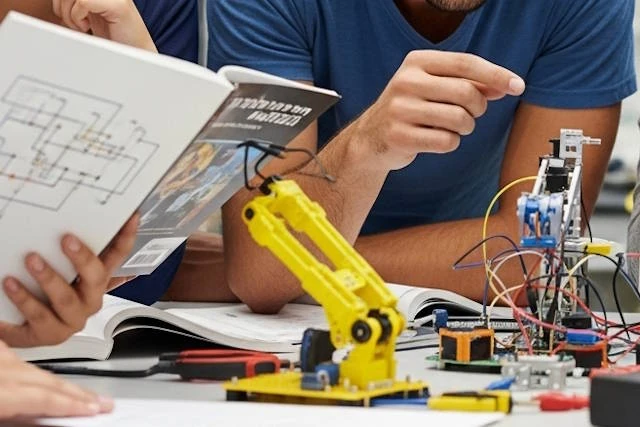
The Importance of the Desire to Know
Curiosity is a driving force. In Lod‚ where the education system and the community try to encourage initiative and independent thinking‚ the wish to understand the world around you becomes a gift. Curiosity drives children to ask questions and adults to look for new solutions. Unlike fear‚ which shrinks and limits‚ curiosity opens up room for action. It does not come from a need for perfection‚ but from enjoying the process of discovery itself. Even if the path includes mistakes‚ every attempt adds knowledge and perspective.
How the Learning Environment Encourages Curiosity
In Lod‚ where schools are diverse and include students from different backgrounds‚ the way questions are treated directly affects the motivation to learn. An environment that encourages exploration‚ open dialogue and real listening produces students who think for themselves rather than just memorize. When a teacher does not judge a mistake but sees it as a step along the way‚ a culture forms in which curiosity is a sign of confidence‚ not weakness. In informal settings too - clubs‚ learning centers or community meetings - the experience itself is the heart of learning‚ not just the result.
The Link Between Fear of Mistakes and Education
Fear of making mistakes is not born on its own. It is the product of a social reaction. In Lod‚ as anywhere else‚ children quickly learn whether a mistake is accepted as a natural stage or as a source of shame. When the emphasis shifts from the result to the process‚ real growth begins. Mistakes are not a reason to stop - they are an opportunity to improve. Those who understand this discover that knowledge is not fixed‚ but something in constant motion. The more learning happens through experience‚ the greater the ability to dare again.
Choosing to Learn Through Experience
Lod is a city of action - social initiatives‚ community projects and educational activities. All of these leave room for error. Experience itself is a powerful learning tool. Building a project‚ creating a community garden or planning an event lets you get hands-on‚ deal with real difficulties and draw lessons. This is learning that happens not in a book‚ but in reality. Anyone who goes through such a process understands that a mistake is not the end - it is the beginning of improvement.
How Curiosity Builds Self-Confidence
When curiosity wins over fear‚ a sense of confidence develops. In Lod‚ where students and young people face the challenges of constant change‚ the ability to ask questions without fear strengthens inner confidence. It creates a feeling that knowledge is available to anyone willing to explore‚ not only to those labeled "smart". This confidence does not come from absolute knowledge‚ but from understanding that learning is an ongoing journey. The more you allow yourself to make mistakes‚ the more a real sense of capability takes shape.
The Connection Between Curiosity and Creativity
Curiosity is the starting point of every new idea. In Lod‚ where connections form between different areas of life - technology‚ education‚ culture and entrepreneurship - creativity is born from questions. "What if we did it differently?"‚ "How can we combine two fields that have never met before?" - questions like these fuel innovation. Even if not every experiment succeeds‚ the search itself opens new possibilities. Creativity does not require perfect knowledge‚ only the courage to try and see what happens.
Intergenerational Learning as a Boost to Curiosity
One of the standout advantages of Lod is the meeting between generations. Children learn from their parents‚ and adults learn from the young people around them. This exchange encourages curiosity in both directions. A grandmother learning to use a smartphone‚ a teenager interested in his parents' childhood stories - these are moments when real learning takes place. It is not planned or structured‚ but born out of human interest. Curiosity like this builds bridges of understanding and strengthens the feeling that we are all always in a process of learning.
Choosing a Culture That Encourages Questions
An urban culture that encourages questions creates a smarter society. In Lod‚ a city that hosts public meetings‚ community workshops and educational programs‚ there is a real opportunity to nurture a culture of listening. When a question is seen not as weakness but as interest‚ people cooperate better. At work or in business‚ too‚ an atmosphere where mistakes are allowed increases the chance of success. A place that understands curiosity is a source of strength develops a creative‚ courageous and self-aware community.
The Power of Curiosity in the 21st Century
In a world where information is so accessible‚ curiosity is not a matter of access but of depth. In Lod‚ as in any developing city‚ curiosity is becoming a critical skill. It separates those who settle for the first answer from those who keep searching for meaning. Technology provides answers‚ but only curiosity makes us ask the right questions. In a rapidly changing reality‚ those driven by curiosity will stay relevant‚ flexible and full of ideas.
Summary
Fear of making mistakes is a natural reaction‚ but curiosity is a choice. In Lod‚ a city where change happens at a fast pace‚ choosing curiosity makes it possible to face the future in a more mature and open way. Those willing to ask‚ check and try discover that learning itself is a gift. Every mistake becomes a teacher‚ and every question an opening to new understanding. Real curiosity does not end with an answer - it keeps asking again and again‚ and reminds us that the world is bigger than fear.