
Money That Never Moves Can Be Money Lost
Why the fear of spending can cost more than smart investing‚ and how to strike a balance between saving and putting money to work.
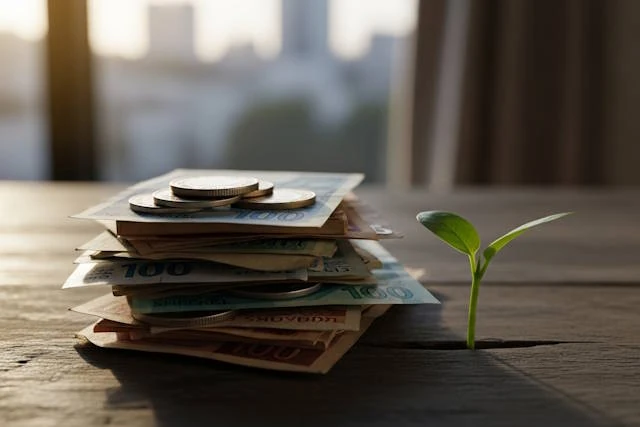
How Financial Fear Affects Decision-Making
The fear of losing money is one of the strongest drivers in financial management. Many people avoid spending out of a false sense of security‚ but in practice they deny themselves opportunities for growth. This fear stems from past experience or outside influences‚ and it creates paralysis. In many cases‚ this avoidance does not protect but actually weakens. It prevents upgrades‚ studies or investments that could return great value. So instead of money being saved‚ money slowly loses its worth.
Choosing Investment Over Hoarding
When money sits in a checking account or is saved without a goal‚ it loses value because of inflation. A measured investment‚ on the other hand‚ makes use of economic potential. This is not about thoughtless risk but smart planning - investing in learning‚ professional equipment‚ real estate or a small business. Understanding that money is a resource meant to work rather than sit idle changes the whole mindset. Even small investments can make a significant difference if they are made consistently and wisely.
The Hidden Loss in Putting Off Decisions
Postponing an expense can look like responsible behavior‚ but in many cases it causes greater damage. When you put off repairing an appliance‚ medical treatment or upgrading a business system‚ the costs pile up. Every delay becomes a quiet loss. Quick‚ smart action is what saves money in the long run and prevents things from getting worse. This insight makes the idea of "saving" more complex - what you do not spend is not necessarily profit; what is invested on time is what pays off.
The Link Between How You Use Money and Self-Worth
How you use money also reflects how you treat yourself. When you avoid investing in quality of life‚ learning or hobbies‚ a sense of stagnation sets in that is not only financial. Money invested wisely is not a sign of extravagance but of self-respect. Investing in a better living environment‚ good food or education creates a sense of worth that restores confidence and motivation. In this sense‚ every shekel that moves you forward is not an expense but a boost.
The Difference Between Smart Saving and Stinginess
There is a clear difference between mindful saving and stinginess. Smart saving is based on analyzing needs‚ planning for the future and understanding priorities. Stinginess‚ on the other hand‚ stems from a fear that leads to avoidance. Instead of building security‚ it creates a fear of change. Managing money well also includes the ability to spend in the right places‚ knowing that the investment returns value. That is how money becomes a tool for growth rather than a source of limitation.
How "Stuck" Money Affects the Local Economy
When money does not flow‚ the economy suffers too. Small businesses‚ like those operating in Lod‚ rely on a constant flow of purchases and partnerships. Balanced spending‚ where money goes to the right places‚ benefits the entire community. Avoiding spending altogether harms the economic cycle and weakens the surrounding area. Smart use of money‚ by contrast‚ strengthens businesses‚ creates jobs and drives urban growth.
How Investment Shapes Future Stability
Every investment made today affects tomorrow. Education‚ professional training or building income-producing assets are examples of investments that return value for years. Investing in yourself - health‚ nutrition and personal development - is also a foundation for future stability. This understanding changes the relationship between spending and investing: what looks like a short-term loss turns into a long-term gain.
Choosing a Balanced Budget
Good financial management is not just restraint but also planning how money flows. Dividing the budget between savings‚ regular expenses and investments creates a balance that prevents extremes. When you know in advance how much money is for spending and how much is for growth‚ your sense of control increases. This kind of order lets you act with confidence‚ without being afraid to spend when necessary.
How Time Affects the Value of Money
The value of money erodes over time - something that is keenly felt in periods of rising prices. Those who hold off on using money in the name of "saving" sometimes find that their purchasing power has shrunk. In such a reality‚ a well-considered expense at the right time becomes a smart move. Whether it is a renovation‚ buying equipment or making an investment‚ the decision to act on time is what prevents future loss.
Investing in the Community as a Return in Values
Money that stays in the local cycle creates value beyond personal profit. When you invest in small businesses‚ community events or educational initiatives‚ a social gain is created that returns the investment indirectly. In Lod‚ where the community is an inseparable part of the urban economy‚ local investment strengthens a sense of belonging and creates a cumulative effect of shared prosperity.
The Difference Between Planned and Impulsive Spending
Not every expense is a good one. The distinction between planned and impulsive spending determines whether money works or disappears. Spending driven by a passing emotion or social pressure usually brings regret‚ while spending done with an eye to the future produces results. Using an expense log or a simple app helps you understand your patterns and turn every expense into a tool for progress.
How Active Saving Supports Peace of Mind
Smart saving is not meant to stop the flow of money but to let it happen securely. When there is an emergency fund‚ stress goes down and the ability to spend in the right places grows. This creates a positive cycle: financial security makes boldness possible‚ and boldness generates further gain. Active saving is therefore not a goal in itself but a foundation that enables action.
How Financial Thinking Affects Quality of Life
Money is not just a means of payment but also an expression of how life is managed. When you treat it as a tool that enables freedom‚ real quality of life becomes possible. Spending on experiences‚ time with family or improving your home is not waste but an investment in emotional well-being. Investments like these create memories‚ a sense of belonging and balance - values that cannot be measured in numbers but deliver a lasting return.
In Summary
Money that never moves can sometimes be money lost - not only financially but also on a human level. Avoiding spending can hold back development‚ community connection and personal growth. When you learn to use money wisely‚ it becomes a tool that serves your goals instead of limiting them. In Lod‚ a city of movement‚ renewal and opportunity‚ choosing to invest rather than stand still is not just a financial decision but also a statement of trust in life‚ in the community and in the ability to grow.